


When designing cloud-native microservices, system tools, or concurrent data pipelines in Go, reading dense struct definitions and package signatures can make it difficult to visualize application architecture. The Go Visualizer transforms Go struct declarations, embedded fields, type definitions, and implicit interface implementations into clear, interactive diagram maps. By parsing struct composition, exported vs. unexported field visibility, and interface behavioral contracts, backend developers and systems engineers can visually inspect object models and service architectures at a glance.
The Mechanics of Go Visualizations
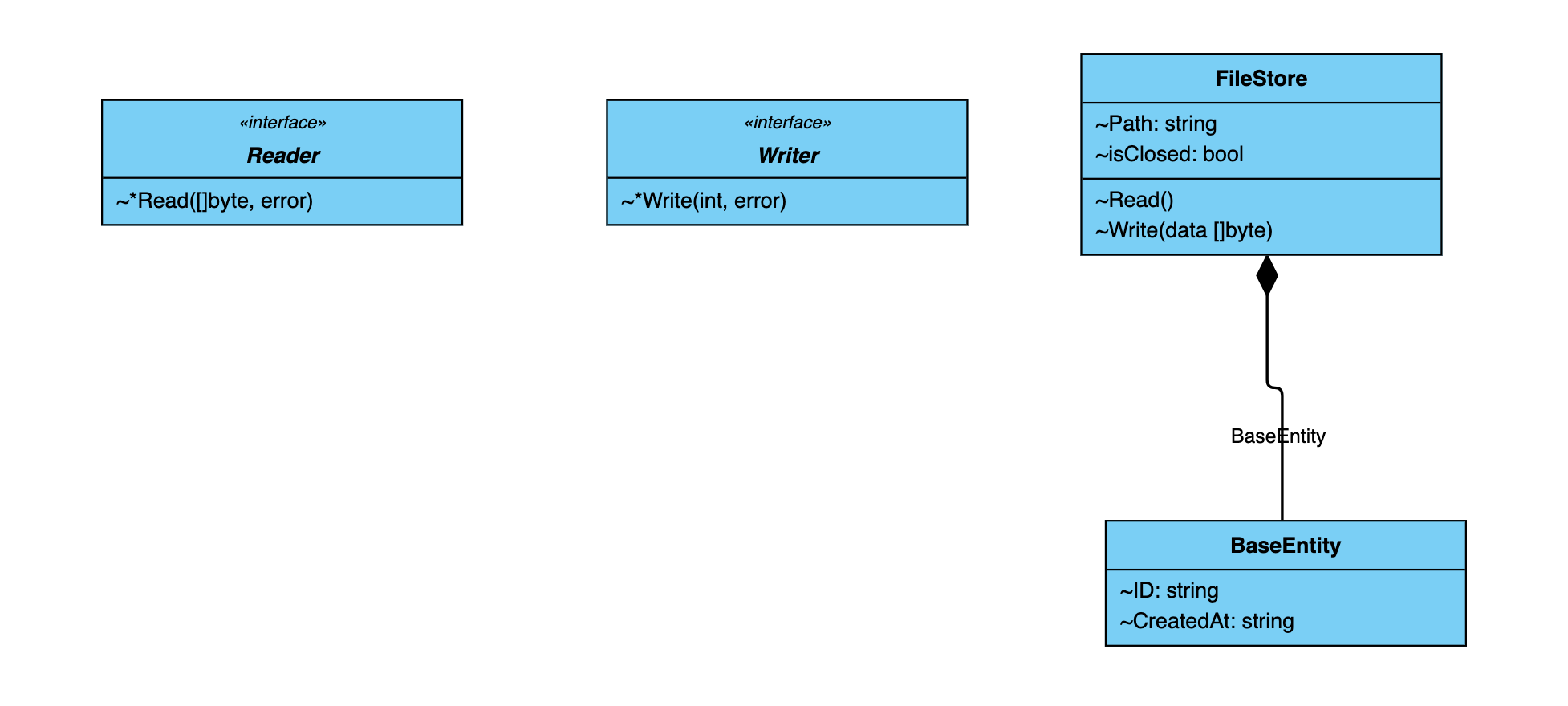
In VPasCode, Go rendering automatically parses struct definitions, interface declarations, embedded struct compositions, and method sets into structured visual diagram blocks. Structs render as primary entity cards, capitalized (exported) or lowercase (unexported) fields display visibility levels, and struct embedding or interface method matches automatically generate structural relationship lines between visual nodes.
1. Essential Setup
To visualize a standard Go data model, define interfaces, structs, and methods. Idiomatic Go models like domain entities and behavioral interfaces demonstrate fundamental struct composition and implicit interface compliance:
package main

import "fmt"

// Reader defines a behavioral interface for reading data
type Reader interface {
	Read() ([]byte, error)
}

// Writer defines a behavioral interface for writing data
type Writer interface {
	Write(data []byte) (int, error)
}

// BaseEntity contains common audit fields embedded across structs
type BaseEntity struct {
	ID        string
	CreatedAt string
}

// FileStore represents a storage implementation embedding BaseEntity
type FileStore struct {
	BaseEntity
	Path      string
	isClosed  bool
}

func (f *FileStore) Read() ([]byte, error) {
	fmt.Println("Reading file from path:", f.Path)
	return []byte("data"), nil
}

func (f *FileStore) Write(data []byte) (int, error) {
	fmt.Println("Writing data to path:", f.Path)
	return len(data), nil
}
Advanced Structural Techniques
Go visualizations excel at mapping out HTTP handlers, middleware chains, and concurrent worker pools that rely on explicit struct models and channel contracts.
1. Microservice HTTP Handler and Service Layer
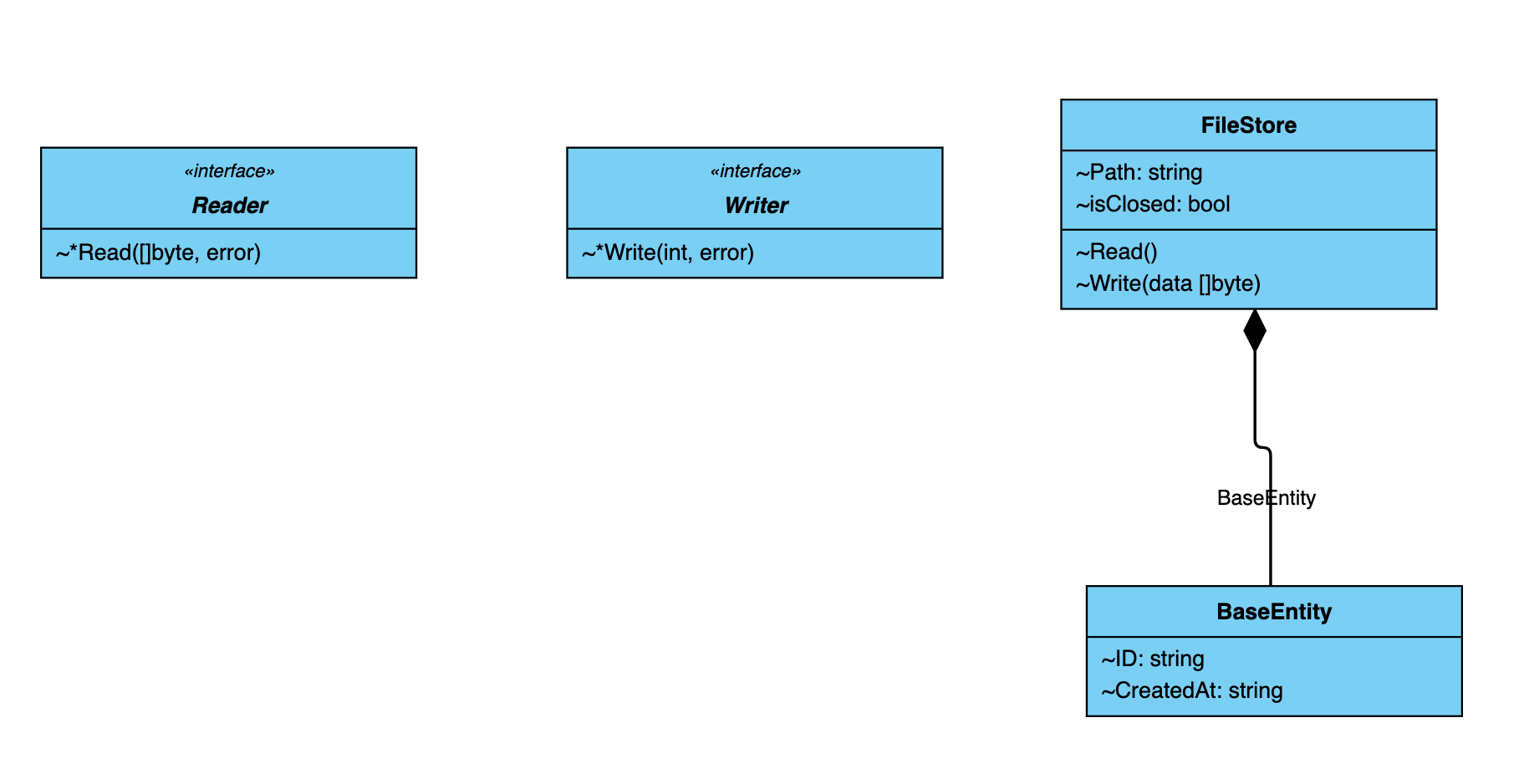
By modeling request contexts, service structs with embedded loggers, and repository interface contracts, VPasCode cleanly expands Go microservice architectures into readable visual trees:
package service

type User struct {
	ID    int    `json:"id"`
	Name  string `json:"name"`
	Email string `json:"email"`
}

type UserRepository interface {
	FindByID(id int) (*User, error)
	Save(user *User) error
}

type Logger struct {
	Prefix string
}

type UserService struct {
	Logger
	repo UserRepository
}

func NewUserService(l Logger, r UserRepository) *UserService {
	return &UserService{
		Logger: l,
		repo:   r,
	}
}

func (s *UserService) GetUser(id int) (*User, error) {
	return s.repo.FindByID(id)
}
Structuring Concurrency and Pipeline Workers
Visualizing pipeline stages, worker configurations, and custom channel payload structs helps Go teams design clear, decoupled concurrent systems.
1. Worker Pool and Task Dispatcher
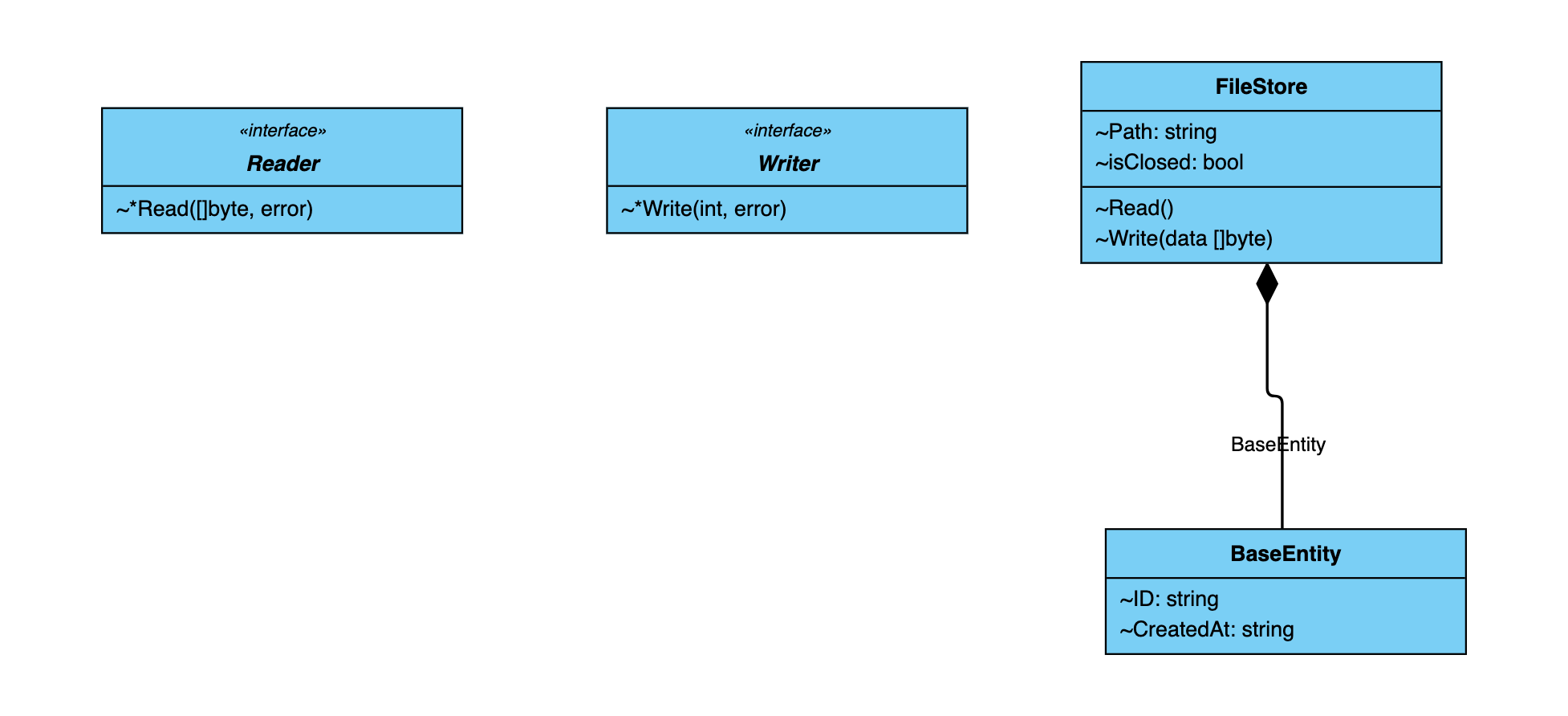
Group task payloads, worker structs, and pool manager interfaces to map out thread-safe processing pipelines:
package worker

type JobStatus string

const (
	StatusPending   JobStatus = "PENDING"
	StatusCompleted JobStatus = "COMPLETED"
)

type Job struct {
	ID      string
	Payload []byte
	Status  JobStatus
}

type TaskProcessor interface {
	Process(job *Job) error
}

type Pool struct {
	WorkerCount int
	processor   TaskProcessor
	jobs        chan Job
}

func NewPool(count int, p TaskProcessor) *Pool {
	return &Pool{
		WorkerCount: count,
		processor:   p,
		jobs:        make(chan Job, 100),
	}
}
Strategic Best Practices
- Leverage Struct Embedding for Composition: Favor struct embedding over deep hierarchies to keep Go data models modular and decoupled.
- Keep Interfaces Small and Focused: Design single-method or two-method interfaces (such as
ReaderorWriter) so structs can implicitly satisfy contracts naturally. - Capitalize Exported Identifiers: Capitalize fields and method names intended for public access so field exportability is reflected accurately in rendered diagram cards.