


在使用 C# 架構企業應用程式、ASP.NET Core Web 服務或 Unity 遊戲系統時,閱讀密集的類別檔案和實體框架可能會讓應用程式結構的可視化變得困難。C# 可視化工具將 C# 類別定義、介面、記錄類型和繼承層次結構轉換為清晰、互動式的類別圖表。透過解析屬性、存取修飾詞、介面合約和類別繼承,.NET 開發人員與軟體架構師可以一目了然地視覺化檢視領域模型與軟體設計。
C# 可視化的運作機制
在 VPasCode 中,C# 渲染會自動解析class, interface,以及record宣告、屬性存取器({ get; set; }),以及繼承關係,轉換為結構化的 UML 風格圖表。類別以主要實體方塊呈現,可見性層級在屬性和方法上清晰顯示,繼承(: BaseClass, IInterface)會自動在視覺節點之間產生關係連接器。
1. 基本設定
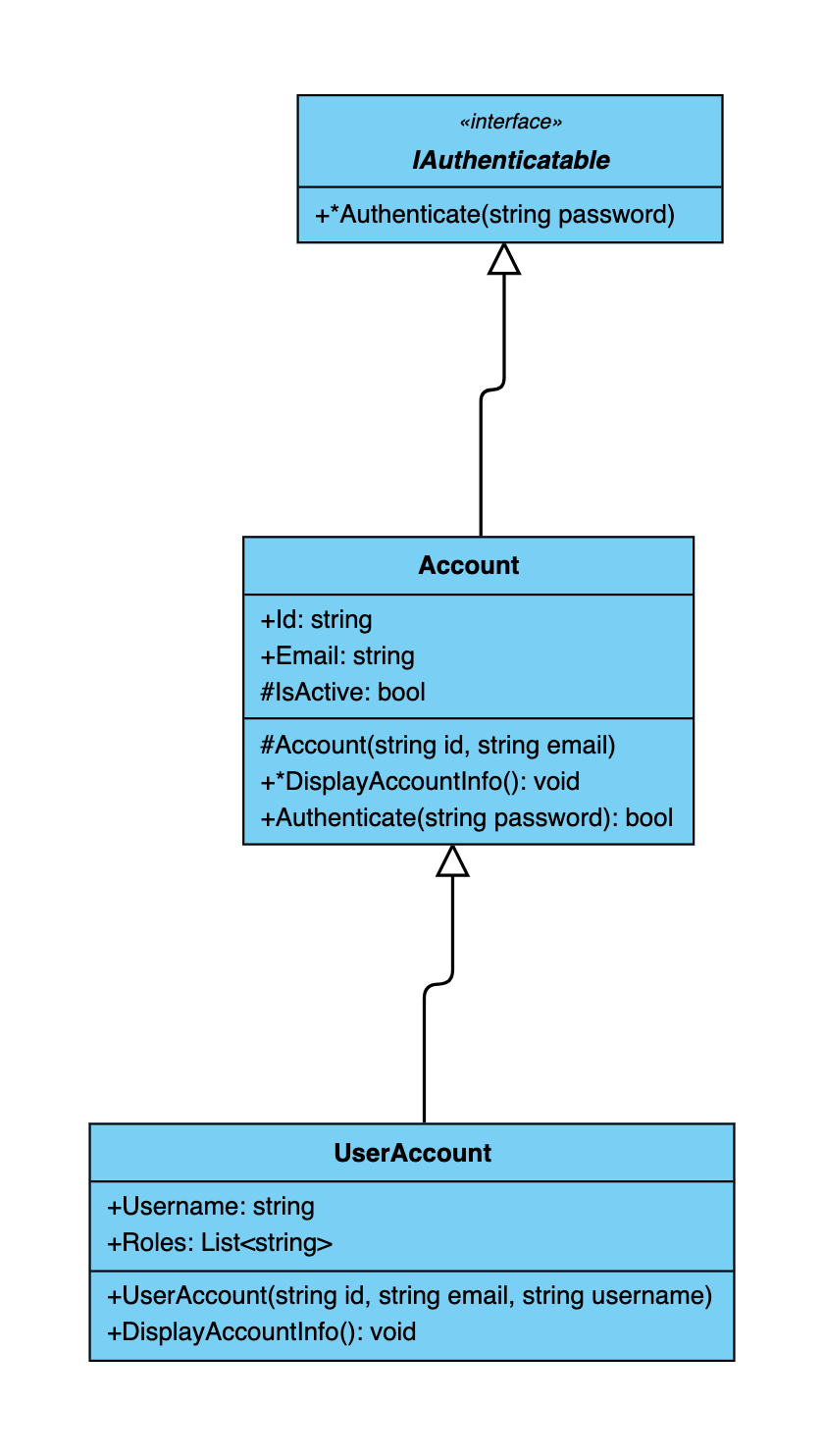
要視覺化標準的 C# 領域模型,請定義介面、抽象基類和具體衍生類別。核心領域模型如使用者身分識別系統,能展現基本的類別關係與介面實作:
namespace AccountSystem;

// 定義使用者驗證功能的介面
public interface IAuthenticatable
{
    bool Authenticate(string password);
}

// 用於帳戶管理的抽象基類
public abstract class Account : IAuthenticatable
{
    public string Id { get; init; }
    public string Email { get; set; }
    protected bool IsActive { get; set; } = true;

    protected Account(string id, string email)
    {
        Id = id;
        Email = email;
    }

    public abstract void DisplayAccountInfo();

    public bool Authenticate(string password)
    {
        // 預設驗證檢查
        return IsActive && !string.IsNullOrEmpty(password);
    }
}

// 具體的使用者帳戶類別
public class UserAccount : Account
{
    public string Username { get; set; }
    public List Roles { get; } = new();

    public UserAccount(string id, string email, string username)
        : base(id, email)
    {
        Username = username;
    }

    public override void DisplayAccountInfo()
    {
        Console.WriteLine($"使用者: {Username} ({Email})");
    }
}
進階結構技術
C# 可視化在繪製現代不可變資料模型(C# 記錄)、依賴性插入合約以及 ASP.NET Core 服務層面方面表現出色。
1. 不可變記錄與服務層模型
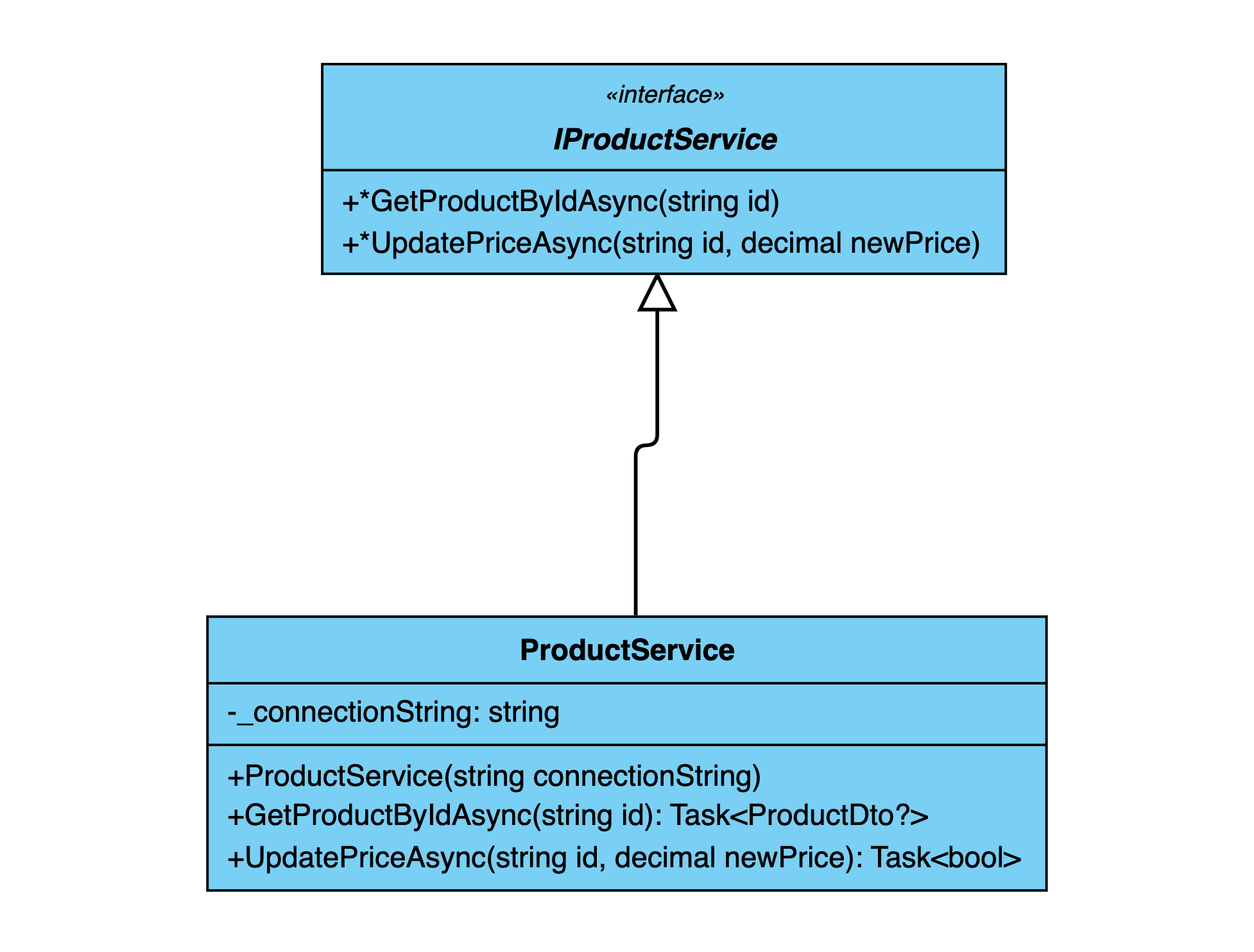
透過結合用於資料傳輸的位置式 C# 記錄與介面驅動的服務合約,VPasCode 將現代 .NET API 轉換為清晰、結構化的圖表網路:
namespace ECommerce;

// 用於產品資料傳輸的不可變 C# 記錄
public record ProductDto(string Id, string Name, decimal Price, bool InStock);

public interface IProductService
{
    Task<ProductDto?> GetProductByIdAsync(string id);
    Task UpdatePriceAsync(string id, decimal newPrice);
}

public class ProductService : IProductService
{
    private readonly string _connectionString;

    public ProductService(string connectionString)
    {
        _connectionString = connectionString;
    }

    public async Task<ProductDto?> GetProductByIdAsync(string id)
    {
        return new ProductDto(id, "無線滑鼠", 29.99m, true);
    }

    public async Task UpdatePriceAsync(string id, decimal newPrice)
    {
        return true;
    }
}
結構化 Entity Framework 資料模型與儲存庫
可視化 Entity Framework Core DbContext 的實體、導航屬性與儲存庫模式,有助於後端團隊審查資料庫對應合約與領域邊界。
1. Entity Framework Core 訂單管理領域
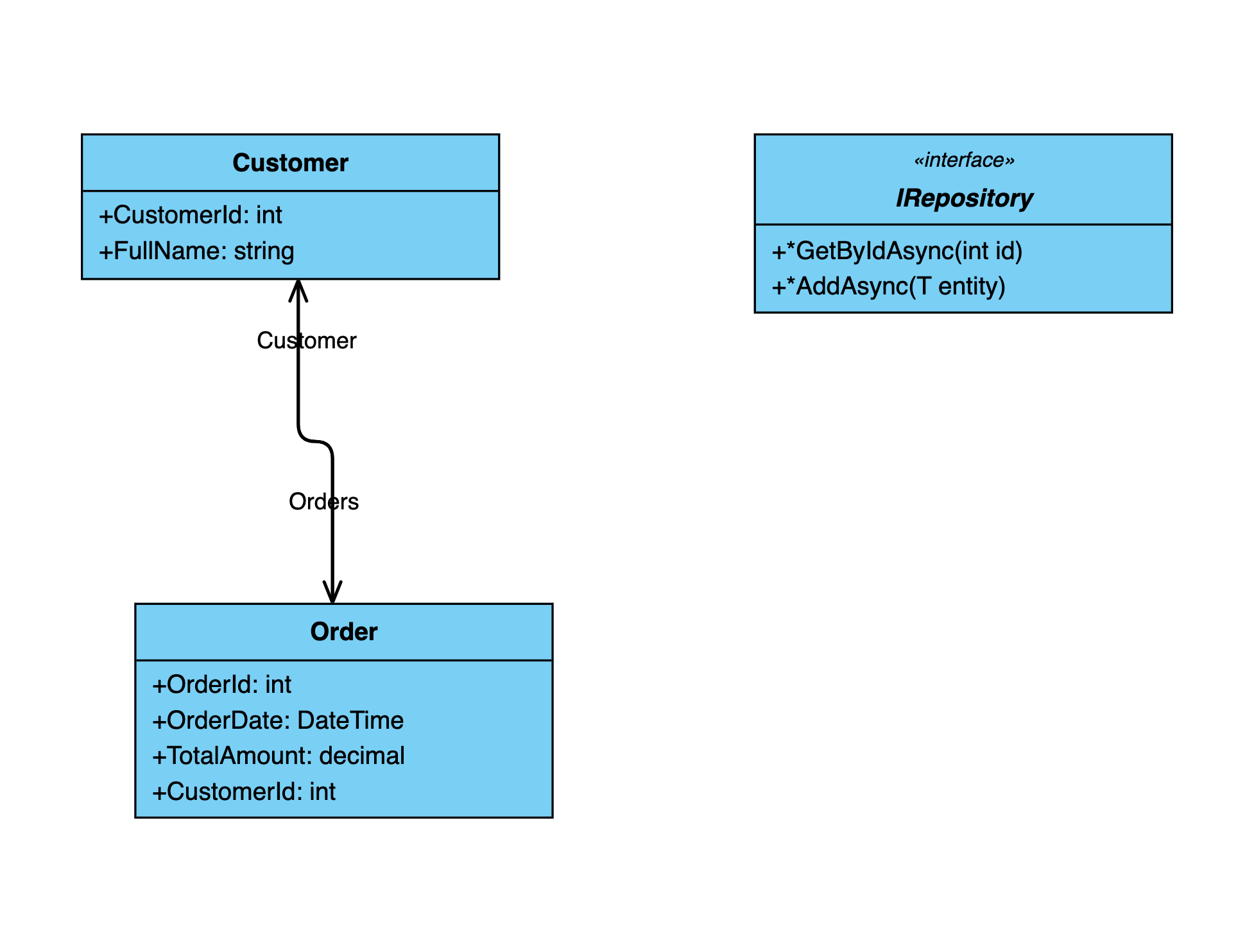
將資料庫實體、導航集合屬性與儲存庫抽象整合,以明確劃分資料流邊界:
namespace DataAccess;

public class Customer
{
    public int CustomerId { get; set; }
    public string FullName { get; set; } = string.Empty;
    public ICollection<Order> Orders { get; set; } = new List<Order>();
}

public class Order
{
    public int OrderId { get; set; }
    public DateTime OrderDate { get; set; }
    public decimal TotalAmount { get; set; }

    public int CustomerId { get; set; }
    public Customer Customer { get; set; } = null!;
}

public interface IRepository<T> where T : class
{
    Task<T?> GetByIdAsync(int id);
    Task AddAsync(T entity);
}
戰略最佳實務
- 遵循 C# 命名慣例:介面名稱前加上
I(例如:IProductService)以便在視覺類別樹中清楚區分合約。 - 使用 Records 表示不可變的 DTO:使用 C# 的
record結構來定義基於值的資料傳輸物件,以區分領域實體與資料合約。 - 善用自動屬性:使用現代化的自動實作屬性語法(
{ get; set; }或{ get; init; })以保持圖示卡片簡潔且不雜亂。